What does TNA mean in MILITARY
In any professional environment, growth is not accidental; it is the result of a deliberate and structured evaluation of skills. If you have ever wondered what does TNA stand for, it refers to Training Needs Analysis. The TNA full form represents a systematic process used by organizations to identify the gap between the current skills of their workforce and the skills required to meet specific objectives.
TNA meaning in Military in Governmental
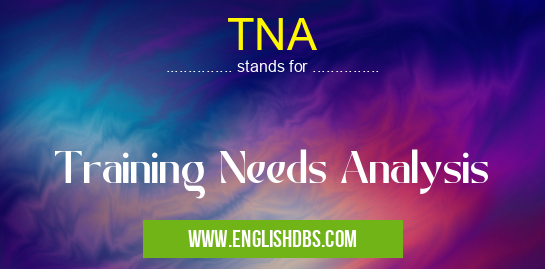
TNA mostly used in an acronym Military in Category Governmental that means Training Needs Analysis
Shorthand: TNA,
Full Form: Training Needs Analysis
For more information of "Training Needs Analysis", see the section below.
» Governmental » Military
Understanding the TNA meaning is crucial for managers and HR professionals because it serves as the foundation for any successful professional development program. Instead of implementing generic training sessions that may not address actual problems, a thorough analysis ensures that resources are directed toward the areas that will provide the highest return on investment. By identifying these "gaps," organizations can foster a more competent, confident, and productive workforce.
TNA Meaning in GOVERNMENTAL
When discussing public administration and civil service, the TNA meaning in GOVERNMENTAL contexts carries significant weight. Government agencies operate under strict budget constraints and high public accountability, making it essential that every dollar spent on staff development is justified. In this sector, the analysis is often used to ensure that public servants are equipped to handle evolving policy changes, technological advancements, and the complex needs of the citizenry.
The TNA meaning in GOVERNMENTAL frameworks typically focuses on the following key areas:
- Policy Implementation: Ensuring that staff understand new laws and regulatory frameworks to provide accurate and lawful public services.
- Efficiency and Modernization: Identifying the need for digital literacy and technical training as government departments transition to "e-government" platforms.
- Leadership and Ethics: Strengthening the integrity and management capabilities of senior officials to maintain public trust.
- Resource Management: Using the TNA full form logic to prevent wasteful spending on unnecessary training, ensuring that civil service departments remain lean and effective.
By applying this diagnostic approach, governmental bodies can transition from reactive management to a proactive strategy that anticipates future challenges in governance and public safety.
Essential Questions and Answers on Training Needs Analysis in "GOVERNMENTAL»MILITARY"
What is the TNA full form and what does the concept represent in a corporate environment?
The TNA full form is Training Needs Analysis, which is a systematic process used by organizations to identify the discrepancy between current employee skills and the required standards for operational success. Understanding the TNA meaning is vital for human resource professionals because it shifts the focus from generic education to targeted interventions that solve specific performance issues. By clarifying what TNA stands for, leadership can ensure that every dollar spent on professional development is a strategic investment in the company’s human capital.
Where and how is TNA used to support business growth and operational readiness?
Regarding where and how TNA is used, it is typically implemented during organizational transitions, such as the adoption of new software, the onboarding of a large group of new hires, or a shift in market strategy. The methodology involves gathering data through employee surveys, managerial observations, and performance metrics to pinpoint exactly which competencies are lacking within the workforce. This diagnostic approach allows companies to design curricula that are directly relevant to the daily tasks of staff, thereby ensuring that training efforts result in measurable improvements in productivity and efficiency.
Why is it considered essential to conduct a Training Needs Analysis before designing a learning program?
Initiating a development program without a preliminary analysis often results in training that fails to address the actual root causes of business challenges or performance gaps. A formal assessment provides the data necessary to prioritize training initiatives based on their potential impact on organizational goals and the urgency of the skills required. This process also helps in identifying non-training issues, such as poor equipment or inefficient workflows, which training alone would not be able to resolve, thereby saving the company time and resources.
What role does a Training Needs Analysis play in enhancing the return on investment for corporate training budgets?
By focusing resources on the specific skills that directly influence key performance indicators, an organization can avoid the high costs associated with broad, ineffective training programs that do not yield behavioral changes. The analysis ensures that the learning objectives are clearly defined and aligned with the strategic vision of the company, making it easier to track the success and impact of the intervention post-implementation. Consequently, businesses that utilize this structured approach see a more significant improvement in employee output and a more efficient use of their annual development funds.
How does a Training Needs Analysis contribute to long-term employee retention and career development?
When an organization accurately identifies the specific areas where an employee needs support, it demonstrates a genuine commitment to the professional growth and individual success of its workforce. This targeted approach to development helps employees feel more competent in their roles and more valued by their employers, which frequently leads to higher job satisfaction and lower turnover rates. Ultimately, the process ensures that career progression is supported by the actual skills required to move into more advanced positions, creating a sustainable internal pipeline of talent.
Final Words: Ultimately, the TNA meaning centers on the idea of purposeful improvement. Whether in the private sector or the public sphere, knowing what does TNA stand for allows leaders to move away from guesswork and toward data-driven decision-making. By conducting a frequent and honest Training Needs Analysis, an organization ensures that its human capital remains its most valuable asset.
Recognizing the TNA meaning in GOVERNMENTAL and corporate structures is the first step toward building a resilient workforce. When training is targeted, relevant, and based on actual needs, it ceases to be a mere administrative requirement and becomes a powerful engine for innovation and long-term success.
TNA also stands for: |
|
| All stands for TNA |
