What does DMV mean in TRANSPORTATION
Whether you are a seasoned driver or someone preparing to get your very first learner's permit, you have undoubtedly heard the acronym "DMV" mentioned countless times. It is a term deeply woven into the fabric of daily life, often associated with official paperwork, long lines, and major life milestones like buying your first car or passing a driving test. But what does DMV stand for, and why does this agency play such a critical role in our society?
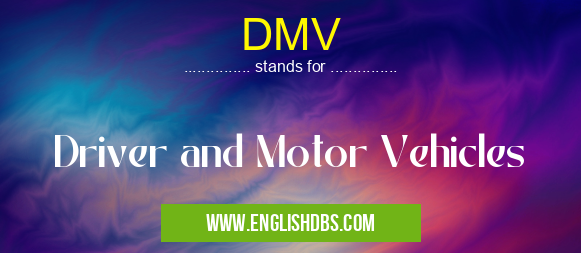
DMV meaning in Transportation in Governmental
DMV mostly used in an acronym Transportation in Category Governmental that means Driver and Motor Vehicles
Shorthand: DMV,
Full Form: Driver and Motor Vehicles
For more information of "Driver and Motor Vehicles", see the section below.
Understanding the DMV meaning goes beyond just knowing the words behind the letters. It represents a vital administrative hub that touches almost every aspect of road safety, vehicle ownership, and personal identification. In this guide, we will break down the DMV full form, explore its primary functions, and explain how this governmental body impacts your everyday life.
DMV Meaning in GOVERNMENTAL
In public administration, the DMV meaning in GOVERNMENTAL sectors refers specifically to the Department of Motor Vehicles (and in some jurisdictions, Driver and Motor Vehicles). It is a state-level government agency responsible for administering vehicle registration and driver licensing. Because traffic laws and administrative structures are managed at the state level rather than the federal level in many countries, such as the United States, each state operates its own unique version of this department.
While the exact name can vary—for instance, some states call it the Bureau of Motor Vehicles (BMV) or the Department of Transportation (DOT)—the core responsibilities remain identical.
Here is a breakdown of the primary services managed by this agency:
- Driver Licensing and Identification: The department is responsible for testing new drivers, issuing physical driver's licenses, renewing expired credentials, and providing official non-driver state ID cards.
- Vehicle Registration and Titling: Whenever a vehicle is bought, sold, or brought into a new state, the agency processes the Certificate of Title to establish legal ownership and issues license plates and registration decals.
- Driver Records and Safety Enforcement: It maintains comprehensive records of driving histories, manages points systems for traffic violations, and handles the suspension or reinstatement of licenses.
- Revenue Collection: The agency collects state taxes, registration fees, and licensing fees, which are often funneled back into maintaining public roads, highways, and transportation infrastructure.
By regulating who is legally allowed to drive and ensuring that vehicles are safe and properly registered, this agency plays a crucial role in maintaining public safety across our roadways.
Essential Questions and Answers on Driver and Motor Vehicles in "GOVERNMENTAL»TRANSPORTATION"
What does DMV stand for and what is its primary regulatory role?
The official DMV full form is Driver and Motor Vehicles, which refers to the state-level government agency responsible for managing automobile registration and driver licensing. This department ensures that all operators possess the necessary skills to drive safely on public roads and that all registered vehicles comply with state safety and environmental regulations.
What is the exact DMV meaning and how does it affect everyday vehicle owners?
The standard DMV meaning refers to the administrative authority that regulates highway safety, issues identification cards, maintains driving records, and collects vehicle-related taxes. Understanding where and how DMV is used is crucial for civilian compliance, as individuals must interact with this agency to register new cars, transfer vehicle titles, renew license plates, and update their residential addresses on official documents.
Where and how is the DMV system accessed and utilized by the public?
The DMV system is utilized through physical local branch offices, authorized third-party providers, and secure online municipal portals to facilitate services like road testing and license renewals. Additionally, law enforcement officials and automotive insurance companies regularly access these databases to verify motorist credentials, confirm vehicle ownership, and check for outstanding traffic violations.
Final Words: At first glance, the department might seem like just another bureaucratic hurdle. However, once you understand what does DMV stand for and look at its broader societal impact, it becomes clear that this agency is essential for maintaining order and safety on the roads. From securing your official identity credentials to registering your vehicle, the DMV full form represents a cornerstone of state-level public administration.
Next time you need to renew your registration or update your driver's license, you will have a clearer understanding of the DMV meaning and the vital regulatory framework that keeps our transportation systems moving smoothly and safely.
DMV also stands for: |
|
| All stands for DMV |
